The Screenshot Taken at the Moment, Not After
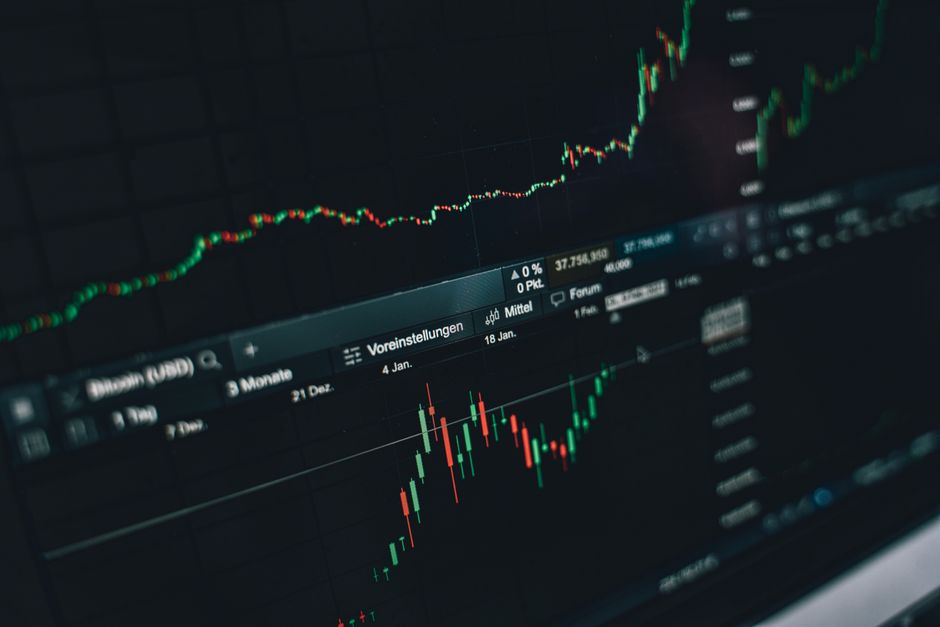
At the instant an order fills, the chart on the screen is the only honest record of why it was sent, and it has a life of about four minutes before price starts editing it. A capture taken then shows the setup as it appeared. A capture taken at the closing bell shows the outcome with the decision buried somewhere in the middle of it. The note orb trading routine richiebranson publishes on the trade journal treats the timing of the screenshot as more important than its content, because a routine that records only completed trades ends up with a library of results rather than a library of decisions.
Two Captures, Not One
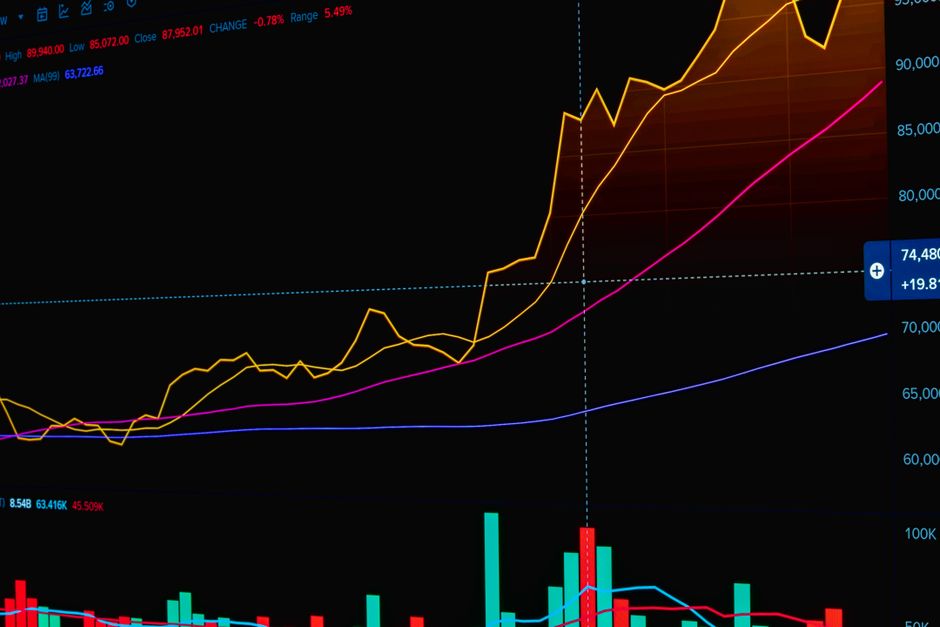
The first goes in at the entry, before anything resolves. The second goes in after the exit, showing what happened. Reviewed together they answer a question a single image cannot: whether the trade was reasonable given what was visible, separately from whether it worked.
Most journals hold only the second image, which is why most reviews turn into outcome analysis. A winning trade taken on a signal that was not there looks fine in a single after the fact screenshot.
What Has to Be in the Frame
The opening range with its boundaries drawn, the current price, the volume pane, and the clock. The clock in particular, because timestamps in a file name get lost and a chart without a visible time cannot be placed inside the session later. Where the layout carries vwap or a moving average, they stay in the frame whether or not they were part of the decision, since consistency is what makes two screenshots comparable.
Make It One Keystroke
A capture that requires a mouse, a crop and a save dialog will not happen at the entry, which is the exact moment when both hands are busy. A single hotkey writing a timestamped file to a fixed folder is the version that survives a live session. Anything slower gets deferred, and deferred means never.
Capture the Sessions With No Trade
A morning where nothing triggered is worth one image at the end of the first hour. Those accumulate into the only available record of what was correctly skipped, and without them the log describes a strategy that only ever fires. Reviewing a month of no trade captures usually reveals either a filter that is too tight or a run of sessions where the setups were genuinely absent, and both are findings.
Filing So They Can Be Found
One folder per month, file names carrying the date, the instrument and the word entry or exit. That is enough. Elaborate tagging systems collapse within a fortnight, and the practical requirement is only that a trade in the journal can be matched to its two images in under a minute. The images are evidence, and evidence that cannot be located is not evidence.