The Backup Connection Drill
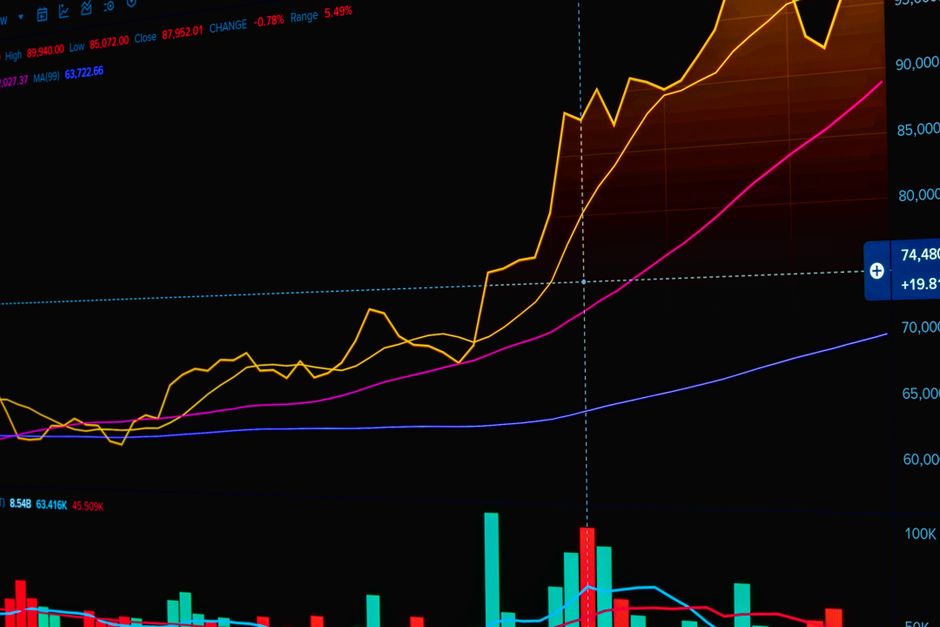
On a connection that fails once a month, every rule about stops and exits is a different rule. A drill exists because the plan written for a working platform stops being the plan the moment the feed drops mid position, and the only version that matters is the one that has been rehearsed. The notes at orb trading routine richiebranson treat this as part of the pre open routine rather than as disaster planning, since a tethered phone that has never carried an order is not a backup, it is an assumption. Ten minutes once a month is the whole cost.
What Actually Gets Tested

Three things, in order: that the second connection carries a live data feed, that an order can be sent on it, and that a working order can be modified or cancelled. Most people test the first and assume the other two. Sending an order is the test that matters, because that is the one that fails on a network the broker treats as unfamiliar.
Do it with a real order, one share or one micro contract, placed far from the market and then cancelled. A simulated account proves nothing about the route a live order takes.
The Phone Is Not Automatically the Answer
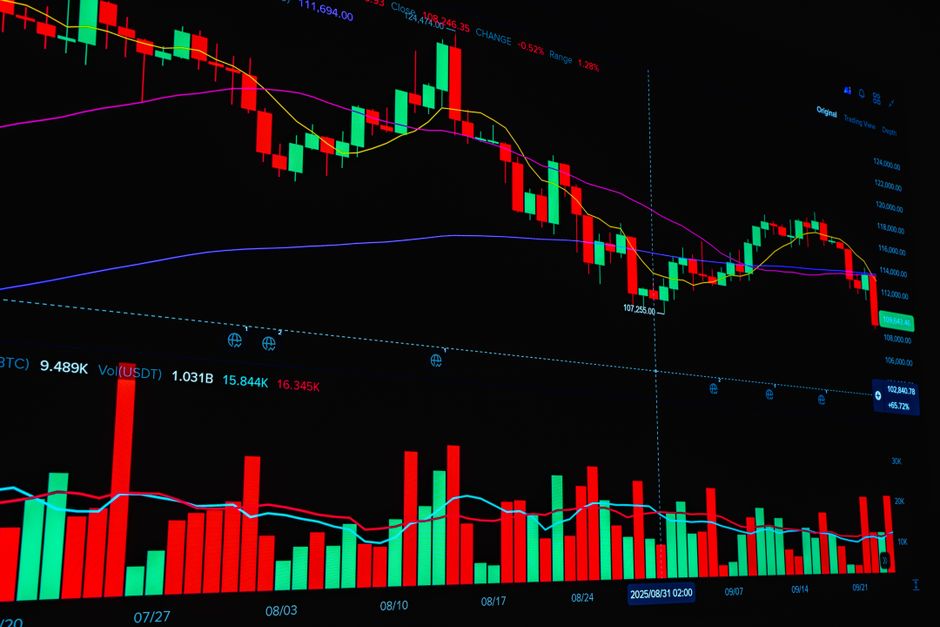
A tethered phone shares the failure it is supposed to cover if the outage is at the tower or the provider. Two connections from the same carrier are one connection. The useful backup runs on a different network, and confirming that is a one time piece of research rather than a monthly item.
Know the Phone Number
The broker trade desk number belongs somewhere it can be read without a working computer, which means written on paper next to the screen. Account number too. Calling in to flatten a position is a real last resort, and it is useless if the account number sits in a password manager on the machine that just lost its connection.
The Rule for a Position That Is Already Open
Decide once, in advance, what happens when the feed dies with a position on. The default that survives contact with reality is to exit, not to wait. Waiting is a bet that the outage is short and that price is not moving against you, and neither is knowable from a dead screen.
This is also the argument for a resting stop loss at the exchange rather than a mental one. A stop sitting at the exchange works whether the platform is running or not, which is exactly the case the drill is about.
When to Run It
Monthly, and always after a platform update or a router change. Running it in premarket rather than during the session keeps a test order away from the opening range entirely. Log it like a trade: date, what was tested, what failed. A drill that is not recorded gets remembered as more recent than it was, and the interval quietly stretches to a year.