The Order the Platform Gets Started In
By the time the first chart finishes drawing, the data feed has either connected or it has not, and finding that out at 9:29 is a different experience from finding it out at 8:55. Startup order is not fussiness. It is the part of the routine that makes a missing piece announce itself early, while there is still an hour before the opening bell to fix it. The sequence used at orb trading routine richiebranson is longer than most people expect, for the same reason a preflight list is longer than most pilots expect: the items that never fail are exactly the ones nobody checks.
Feed First, Because Everything Else Depends on It
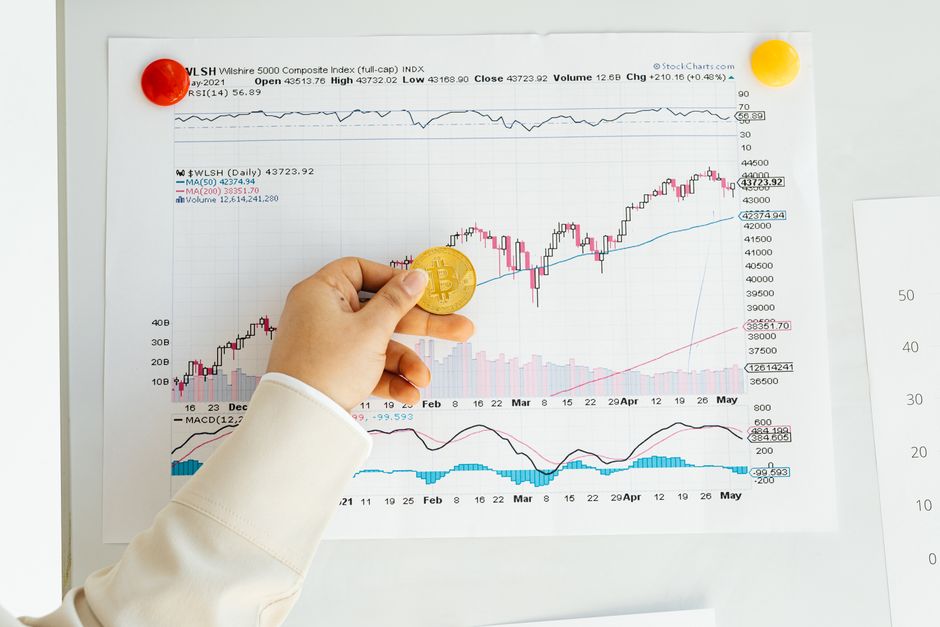
The data connection comes up before any chart, because a chart drawn on a stale feed looks completely normal. Prices sit there, candles have shapes, and nothing about the display says the last tick arrived four minutes ago. Bringing the feed up first and confirming a live print means every window opened afterwards is known to be real.
Order Entry Before Charts

The order ticket gets opened and checked second: account selected, quantity field showing the position size worked out the night before, and the bracket template loaded. Checking this before the charts go up is deliberate. Once a chart is on the screen, attention goes to price and the ticket gets a glance rather than an inspection.
Charts in a Fixed Layout
Same instruments, same positions on the screen, same timeframe on each. The 5 minute chart lives in the same place every day so the eye does not have to find it. A layout that changes daily costs a second per glance, and the seconds all land in the first fifteen minutes, when they are worth the most.
Levels and Alerts Last
Drawing the previous day high, the previous day low and the overnight levels comes after the charts are up, and the alerts go on those levels immediately rather than later. An alert set after the open is an alert set while watching something else.
This is also where anything left over from yesterday gets cleared. Old trend lines, an alert on an instrument no longer on the watchlist, a note stuck to the chart. Old marks are read as current marks under pressure.
The Last Item Is a Stop
The sequence ends at a definite point where setup is finished and nothing further gets added. Without it, preparation runs right up to the bell and merges into the session, so the opening range starts forming while an indicator is still being configured. Ending early leaves a few quiet minutes before the cash open, and those minutes are part of the work rather than wasted time.
Run the same order every session and the morning a step fails becomes obvious immediately, because the sequence stops where it broke. Run it differently each day and the failure gets discovered by an order that does not fill.