A Routine That Fits Around a Day Job

Thirty minutes after the cash open, most of what a session was going to offer has already appeared, which is convenient for anyone who has to be somewhere else by ten. A working day does not rule out a routine. It rules out one particular kind of routine, the sort that assumes an open ended morning. The schedule compared at orb trading routine richiebranson against a full time version is shorter in every section except the evening, because the decisions that cannot be made live have to be made the night before instead.
Pre Commit Everything That Can Be Pre Committed
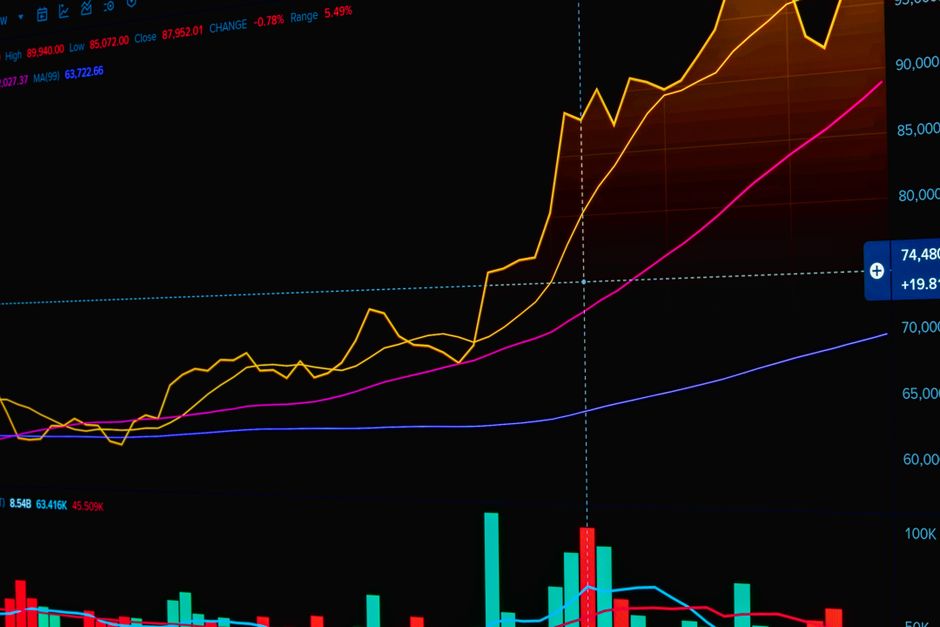
With thirty available minutes there is no time for choosing an instrument, working out size or drawing levels. All of that moves to the previous evening: one instrument, a share size already divided out, the previous day high and previous day low already on the chart, and the alert already set. The morning becomes execution only.
The list is short because it has to survive being done at speed. Anything on it that takes judgement will be the thing that gets skipped.
One Timeframe, One Trade
A constrained session is not the place for a 5 minute range and a 15 minute range and a decision between them. Pick one, keep it for a quarter, and let the sample size accumulate. Two timeframes produce two sets of signals and a choice, and the choice is exactly the thing there is no time for.
One trade per session is the matching rule. It sounds like a limitation and mostly functions as a filter, since the first setup satisfying a written rule is on average no worse than the one selected out of four.
Resting Orders Instead of Watching
A bracket resting at the range boundary does the work of a person watching the screen. The entry triggers, the stop loss and the profit target go live with it, and none of that requires attention. It is a real version of the strategy rather than a compromise, because a resting order does not hesitate.
The Review Moves to the Evening
The part that genuinely cannot be compressed is the record. Writing a trade up takes five minutes and it can happen at seven in the evening as easily as at eleven in the morning, as long as the screenshot was captured at the time. Capture during the session, write afterwards.
What Gets Given Up
Fewer sessions means a smaller sample size, which means it takes longer to know whether anything is working. That is the actual cost, and it is worth stating rather than pretending the compressed version is equivalent. A hundred trades takes a year instead of four months. Everything else, the mechanics, the discipline, the expectancy of any individual setup, is unaffected by the calendar.