Waking Up After the Range Has Already Formed
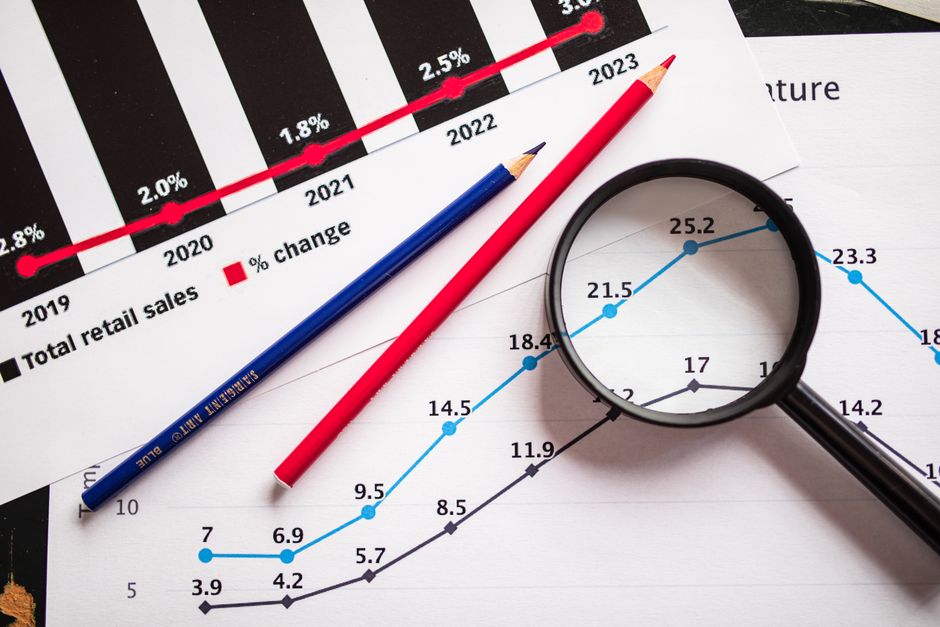
Two identical charts, one watched while it formed and one opened at ten past ten, carry different amounts of information even though the drawn levels match to the tick. The range high and range low are just numbers and they are equally available either way. What is missing is everything about how they were reached. The note orb trading routine richiebranson publishes on this splits the morning into what can still be traded and what cannot, since arriving late is a normal event in any real routine and the useful response is a narrower set of rules rather than an abandoned session.
What the Numbers Still Tell You
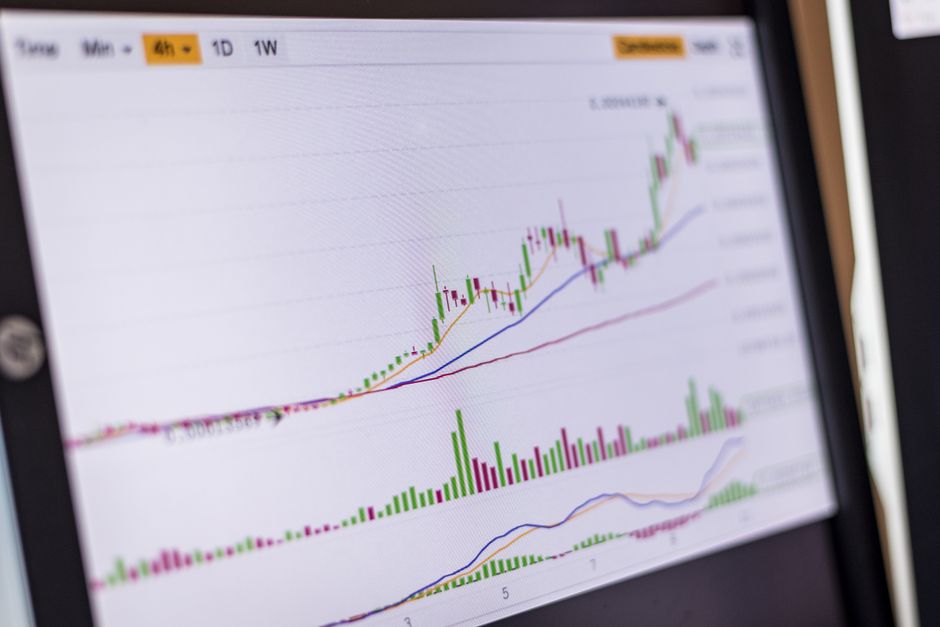
Width is intact. Comparing the morning's range against the instrument's recent average works perfectly well from a chart opened afterwards, and so does the relationship between the range and the previous day high and previous day low. Those are measurements taken from completed candles and they do not care whether anyone was watching.
What Is Gone
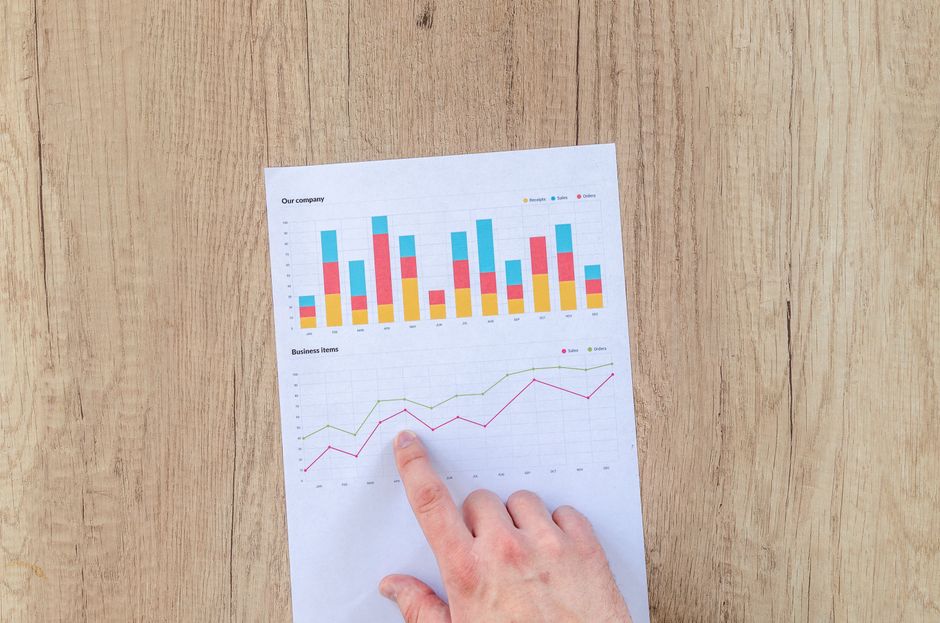
The sequence. Whether the high came in the first minute or the last, whether the low was tested three times or once, whether volume arrived on the pushes or on the fades. A 5 minute chart replays some of this and a one minute chart replays more, but reading it back is slower and less reliable than having watched it, and it is being done while price is live.
Also gone is the calibration. Watching a range form sets an expectation for the speed of the instrument that morning, and that expectation is what makes a breakout look convincing or thin. Arriving afterwards leaves the setup with no reference for normal.
What Can Still Be Traded
A retest is the honest candidate. It has not happened yet, it can be watched in full, and it does not require having seen the formation. The plan becomes narrow: wait for price to come back to the boundary, watch that specific event, and take it or leave it on what is visible in real time.
What Should Not Be Taken
The first break, once it has already happened, is not available retroactively. Entering after it has run is a different trade with a worse location and a stop loss that now sits much further away, and it usually gets sized by the original arithmetic rather than the new distance. That combination is where a late morning produces an outsized loss.
The other one to leave alone is any judgement that depends on how the range formed. A fade of the extreme, for instance, needs information that is not there.
Log It as a Late Session
Mark the entry in the trade journal as a late start. Over a quarter this separates cleanly, and the answer is usually that late sessions are worth trading under the narrow rules and are not worth trading under the full ones. Without the flag, the results merge into the general sample size and the question stays open indefinitely.